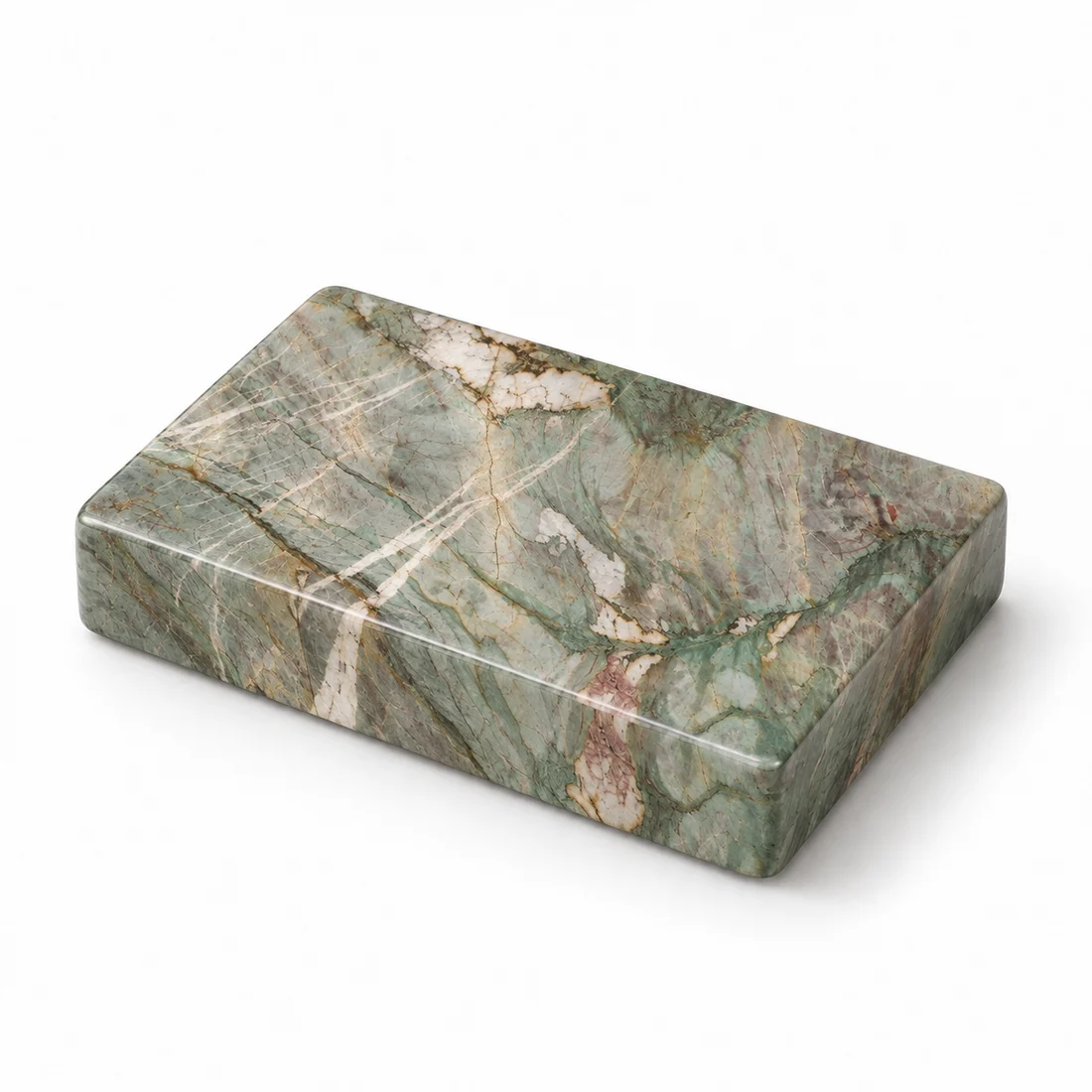
 Custom Production Reference
Pocket Block ↗
Estimated net 1.10–1.30 kg · actual weight pending
Explore custom natural stone display bases for fragrance, jewellery and small art with DeHong Stone, a China-based natural stone manufacturer. Confirm the stone, dimensions, finish and approved sample before small-batch production.
Custom marble display bases are one material direction within this collection. For perfume display or jewellery presentation, confirm the actual stone, usable footprint and contact protection around the item being displayed.
Specify a perfume or jewellery display base ↗
Custom Production ReferenceEstimated net 1.10–1.30 kg · actual weight pending
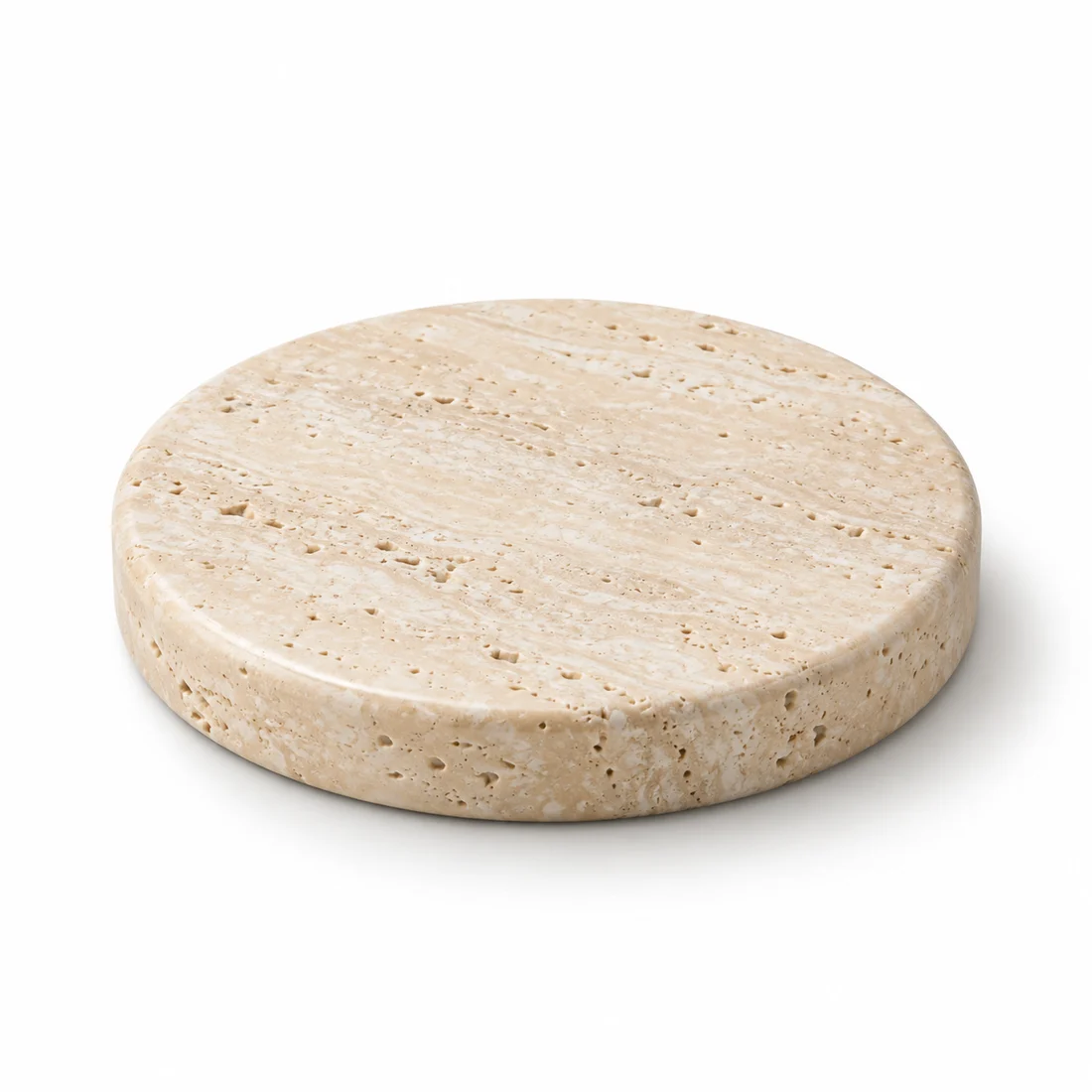 Custom Production Reference
Estimated net 0.60–0.75 kg · actual weight pending
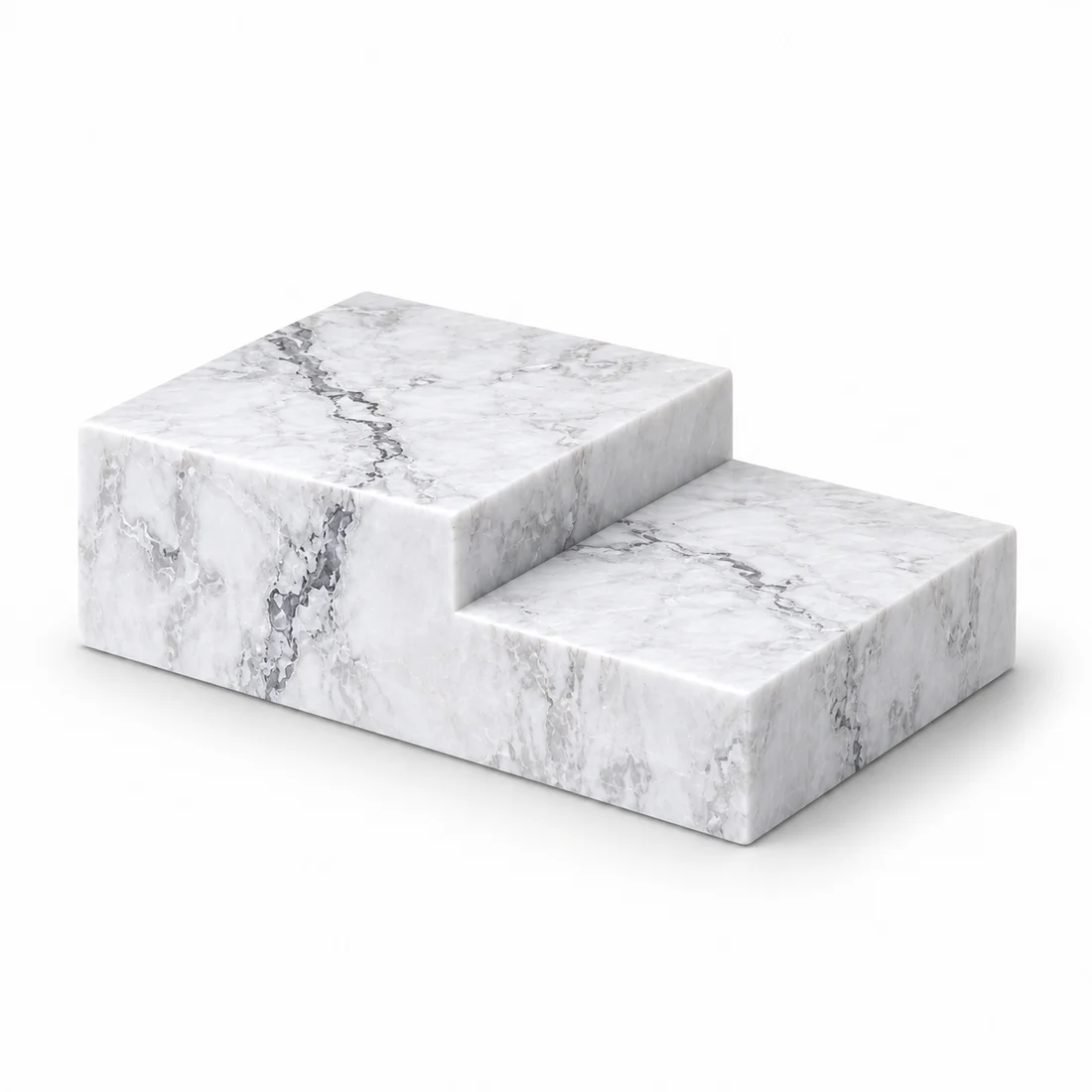 Custom Production Reference
Estimated net 0.90–1.10 kg · actual weight pending
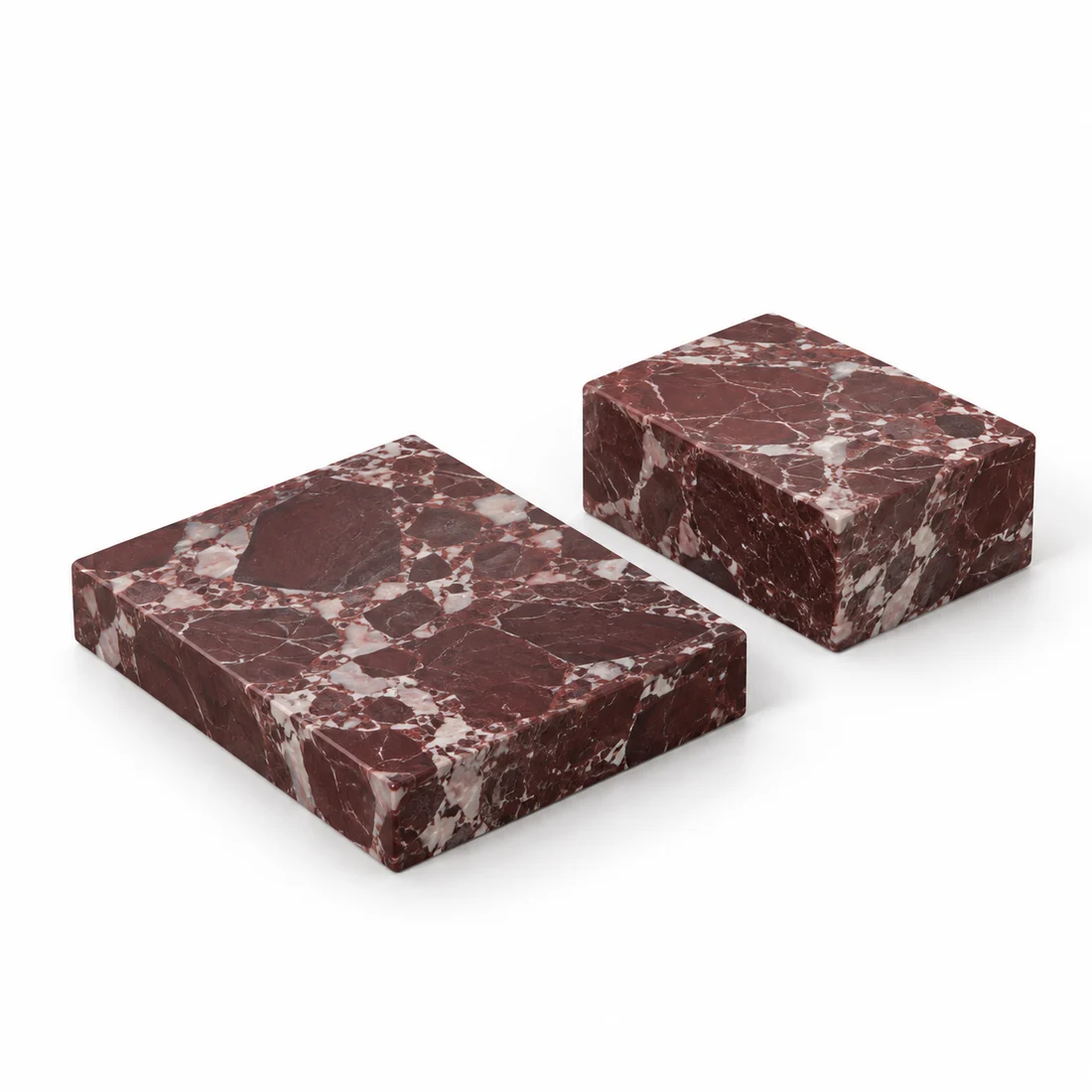 Custom Production Reference
Estimated net 0.70–0.85 kg / set · actual weight pending
A custom natural stone display base should be developed around its contents and the way people see them. For jewellery, perfume or a small art object, share the contact footprint, filled weight, viewing direction and available counter space. The rectangular, circular, stepped and paired references above offer different ways to arrange a compact display. They are design starting points for a brand or retail brief, rather than ready-stock products with a fixed specification.
The current references propose several stone directions, including Green Peacock, cream travertine, Fendi White and burgundy breccia marble. A broad vein can become the main feature of a small top face. Review the proposed cutting area, acceptable variation and visible edges together. If you require a marble display base, confirm the specific marble first; the whole series should not be treated as one material. A thicker stepped form needs separately confirmed stone thickness or an approved construction.
For a honed marble display base for perfume, confirm the actual marble and review the fragrance liquids and cleaning routine on a representative sample. Honed and polished finishes are options for sample review, subject to the selected stone. Discuss a softened edge or a small chamfer with your drawing, then confirm the profile, edge strength and feel on the prototype. Include any protective contact pads, engraving position, load or fixing requirements. A visual reference does not establish a tested load rating or scratch resistance. Agree tolerances for the actual design instead of assuming one processing accuracy applies to every form.
For custom production or a small-batch OEM collection, send your intended use, reference images or drawing, approximate dimensions, preferred finish, estimated quantity and destination. Explain whether the pieces will be used separately or as a coordinated set. Review a physical sample and protective packing before agreeing production. Actual product weight, packed weight and carton dimensions follow measurement; sample cost, MOQ and timing are confirmed in the quotation. This gives both teams a practical basis for comparing a simple base with a more involved display arrangement.
Use these proposed sizes as starting points for a custom brief. They are not measured production results, stock specifications or guaranteed tolerances.
Proposed dimensions only. Confirm actual dimensions through physical sampling.
Honed or polished, subject to stone and sample approval.
Review the top face, visible edges and underside separately. A softened edge or proposed chamfer is checked with the selected stone and sample.
Mark the object footprint, base height and display contact area. Include any step, fixing or protective pad in the drawing.
Agree dimensional variation for the display footprint and height, and any clearance around an insert or fixing, after reviewing the actual object.
Numeric tolerances are agreed in the project drawing and approved specification after material and technical review.
Request a product-specific quote for Desktop Display Bases. These are reference quantities, subject to design, stone availability and an agreed product mix.
Edit the quantity in the enquiry form. For multi-piece designs, state whether you mean pieces or complete sets. Sampling, tooling, product price, packaging and freight are confirmed in the written quotation; no fixed price or discount is implied.
For a boutique counter or a brand presentation, begin with the object you need to display. A low stone base is developed around the bottle or jewellery, the counter and the way staff handle it.
Bottle base dimensions and filled weight, or jewellery size; a photo of the counter and the clear border you want around the object.
Your preferred colour direction, acceptable natural variation, edge feel and proposed honed or polished finish. Review the actual material rather than matching a rendering alone.
Contact pads or lining, any locating recess, logo artwork and the parts that must remain visible. Fit, stability and surface contact need sample review.
Quantity per design, destination and target dates. Sample cost, MOQ, actual weights and timing are confirmed for the project.
It can be proposed around the largest footprint and the access needed for each bottle. Send dimensions and filled weights for all intended bottles. A locating recess made for one bottle may restrict other shapes; check the arrangement and stability on the sample.
Review the physical sample, chosen stone, dimensions, edge finish, contact protection and any engraving. Record actual net and packed weights after measurement. Website visuals and estimated specifications are development references, not evidence of stock or completed deliveries.
The review sheet is blank for your project. It contains no measured results, certification or promised production terms.